Small SUVs are some of the most popular vehicles in the U.S., but the best-sellers aren’t always the best to live with. Based on in-depth testing on the road and at the track, along with expert ratings, here’s a clear look at how today’s small SUVs stack up — from the ones you should probably skip to the ones we can recommend to almost anyone.
We’ll cover comfort, cargo space, family friendliness, tech, driving experience, and fuel economy, with a special focus on hybrid models where they’re available.
Chevy Equinox: Looks OK, Drives “Just Fine”
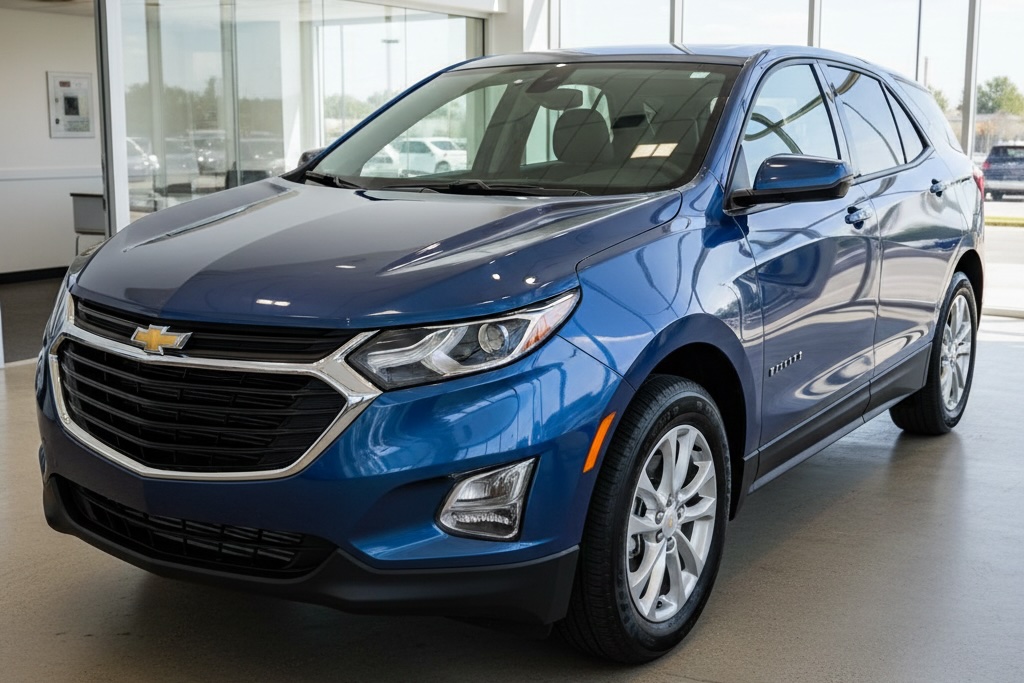
The Equinox lands at the bottom of this list. It’s not terrible, but in such a competitive segment, “fine” just isn’t enough.
What’s good:
- Respectable cabin space in both the front and rear
- Flat rear floor, so the middle-seat passenger isn’t punished
- Simple, useful tech: a good-sized screen with built-in Google for navigation and voice control
- Long free trial of Google services (up to eight years), better than many rivals
- Fun paint choices and available contrasting roof and “Active” off-road-look trim
Where it falls short:
- Feels slow, rough, and disconnected on the road
- Poor outward visibility
- No hybrid option, and fuel economy is nothing special
- Rear doors don’t open wide, making it harder to load kids, car seats, or bulky items
- Limited interior storage space and a relatively small trunk
- Towing capacity trails many competitors
Bottom line: The Equinox works if you like the styling, don’t care much about driving feel, and don’t need a lot of space — especially if you can get a very good deal. But there are many better choices.
Subaru Forester Hybrid: Amazing Visibility, Disappointing Tech
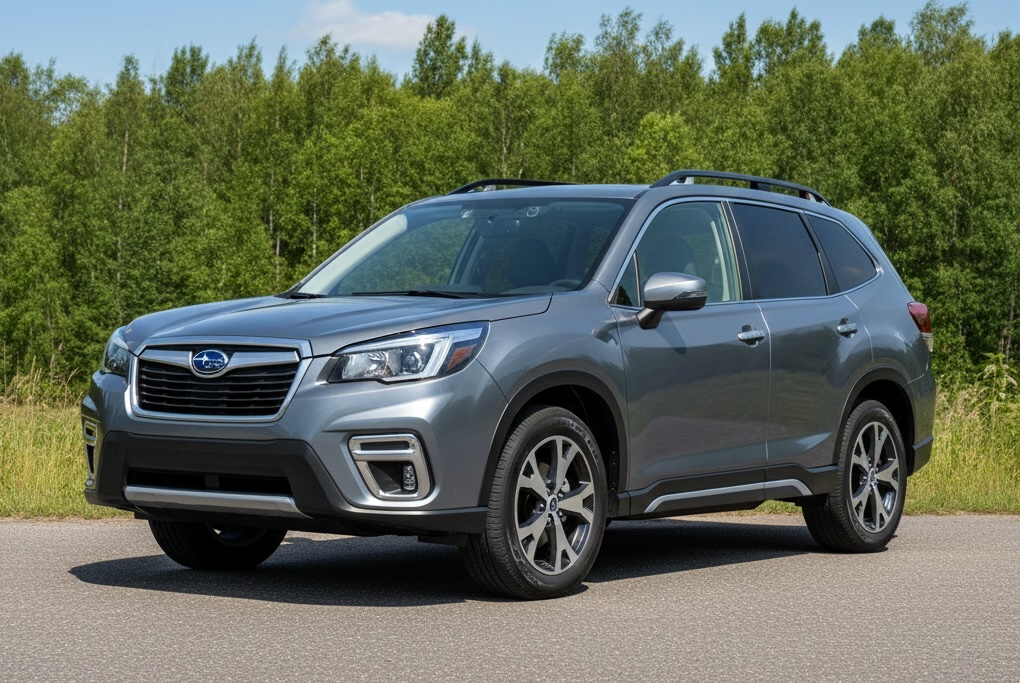
The Forester Hybrid shines in usability and comfort but stumbles badly on technology.
What’s good:
- Outstanding visibility thanks to large windows and lots of natural light
- Airy, spacious cabin that feels bigger than many rivals
- Very easy entry and exit, with wide door openings and low seat height
- Excellent access for installing child seats; LATCH anchors and tethers are easy to find
What’s not:
- Infotainment system is slow, low-res, and feels dated
- Tiny backup camera display that’s hard to use
- Few physical buttons, so you’re forced to rely on a sluggish touchscreen
- Unrefined driver-assist tech; adaptive cruise feels lazy and lane keeping can ping-pong between lines
- Almost no clever small-item storage; cupholders and bins are small and poorly designed
- Wireless charging pad doesn’t hold the phone securely, causing charging to cut out
- Gas-only version rides worse and feels more underpowered than the hybrid
Bottom line: If visibility, easy access, and a roomy, friendly interior are your top priorities — or you’re especially loyal to Subaru — the Forester Hybrid can make sense. Otherwise, there are stronger all-around options.
Ford Bronco Sport: Off-Road Star, Everyday Compromise
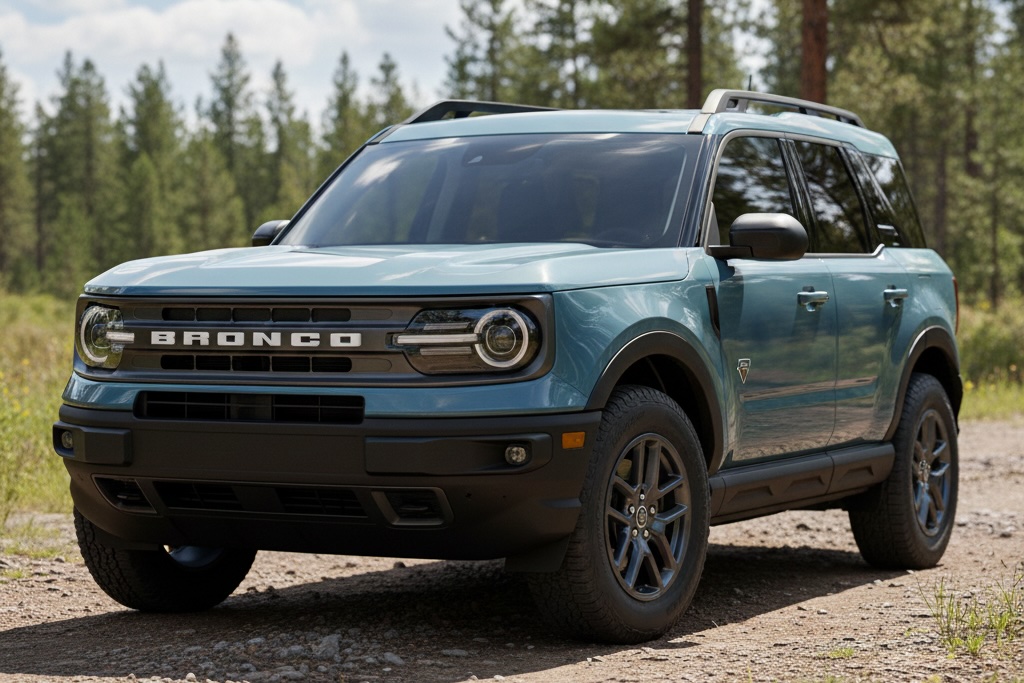
The Bronco Sport is one of the most capable off-road SUVs in this group, but that comes with trade-offs.
What’s good:
- Excellent off-road capability, especially with the off-road package (all-terrain tires, solid ground clearance, locking differential, standard AWD)
- Strong towing capability for its class
- Clever cargo solutions: pop-up rear glass and available dual-level cargo floor
- Slide-out cargo shelf that can double as a tailgate table
- Crisp, responsive infotainment system
- Fun styling, graphics packages, and throwback Heritage trim
Where it compromises:
- More expensive and less fuel-efficient than many rivals, especially in off-road trims
- Tight back seat space with limited legroom and narrow door openings
- Rear-facing car seats require sliding the front seats far forward
- Cargo area is tall but not very deep, so bulky items often require folding the rear seats
Bottom line: Perfect for buyers who love the Bronco vibe and actually go off-road. For typical small SUV shoppers focused on space, comfort, and efficiency, better everyday choices exist.
Nissan Rogue: Smart Storage, Outdated Tech
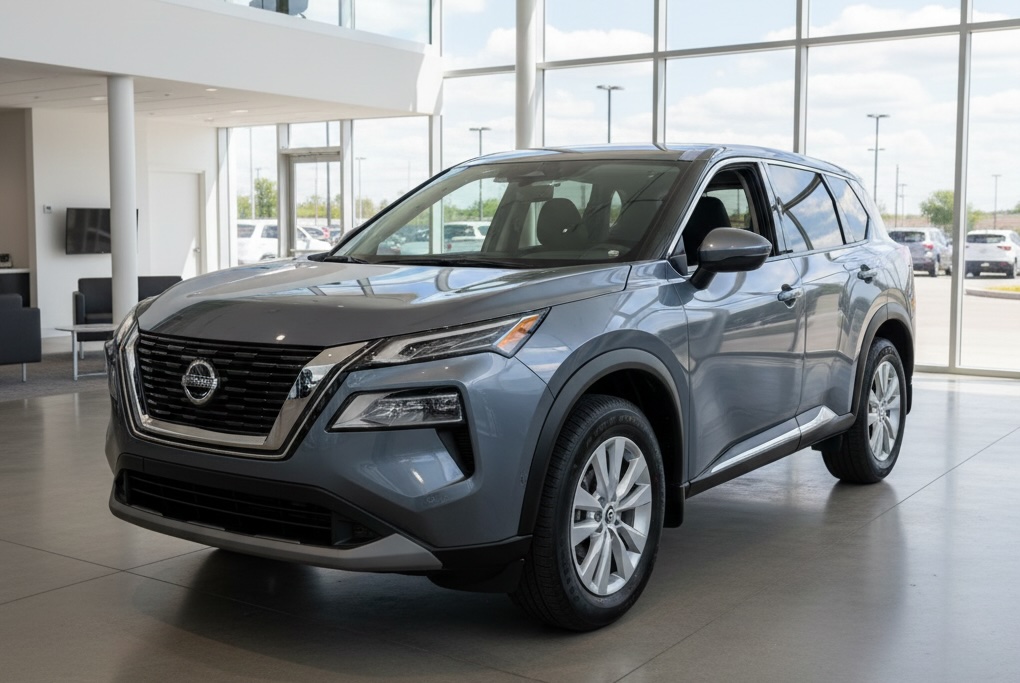
The Rogue offers clever storage solutions and solid fuel economy for a gas-only SUV, but is held back by dated technology and an unrefined drive.
What’s good:
- Roomy cargo area with a flat load floor
- Side bins in the trunk to keep small items from rolling around
- Plenty of smart small-item storage up front, including a split-opening center bin and large trays
- Rubberized wireless charger that helps keep your phone in place
- Large door pockets that can fit big water bottles
- Simple, logical controls with actual buttons and knobs for common functions
- Solid fuel economy for a non-hybrid small SUV
What’s not:
- Most trims get a small 8-inch screen with an older, slower infotainment system
- The better 12.3-inch screen with Google built-in is limited to higher trims
- No wireless Apple CarPlay or Android Auto on the smaller-screen setup
- Powertrain feels sluggish and unresponsive
- Ride quality and cabin noise are worse than key competitors
- No hybrid option at all
Bottom line: The Rogue can be a decent value at lower trims, especially if you like its storage solutions and don’t care about having the latest tech or a hybrid. But in this segment, “decent” is easy to beat.
Mazda CX-5 / CX-50: Luxury Feel, Smart to Skip the Hybrid
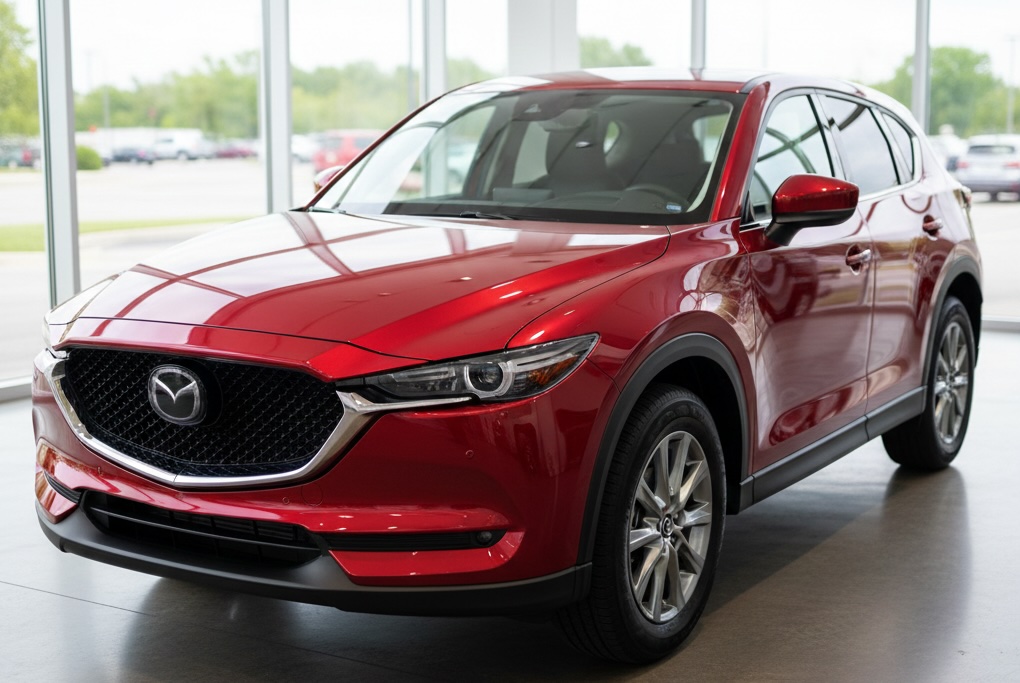
Mazda’s compact SUV stands out for driving fun and interior quality, even if practicality isn’t its strong suit.
What’s good:
- One of the best interiors in the class; looks and feels close to a luxury vehicle
- High-quality materials, satisfying knobs and switches, and clean design
- Simple, intuitive climate controls and steering wheel buttons
- Confident, controlled handling that inspires trust during quick maneuvers
- Strong power, with an available turbocharged engine offering over 250 horsepower
Where it struggles:
- Less cargo space than nearly all competitors
- Hybrid version offers even less cargo room and trades responsiveness for fuel economy
- Infotainment system hides many functions in menus and relies heavily on a console-mounted control knob
- Screen size is modest compared with newer rivals
Bottom line: Ideal for drivers who care about style and driving feel more than maximum practicality. In a rare twist, the gas-only version is the one to buy here, not the hybrid.
Honda CR-V: Great Drive, Light on Features
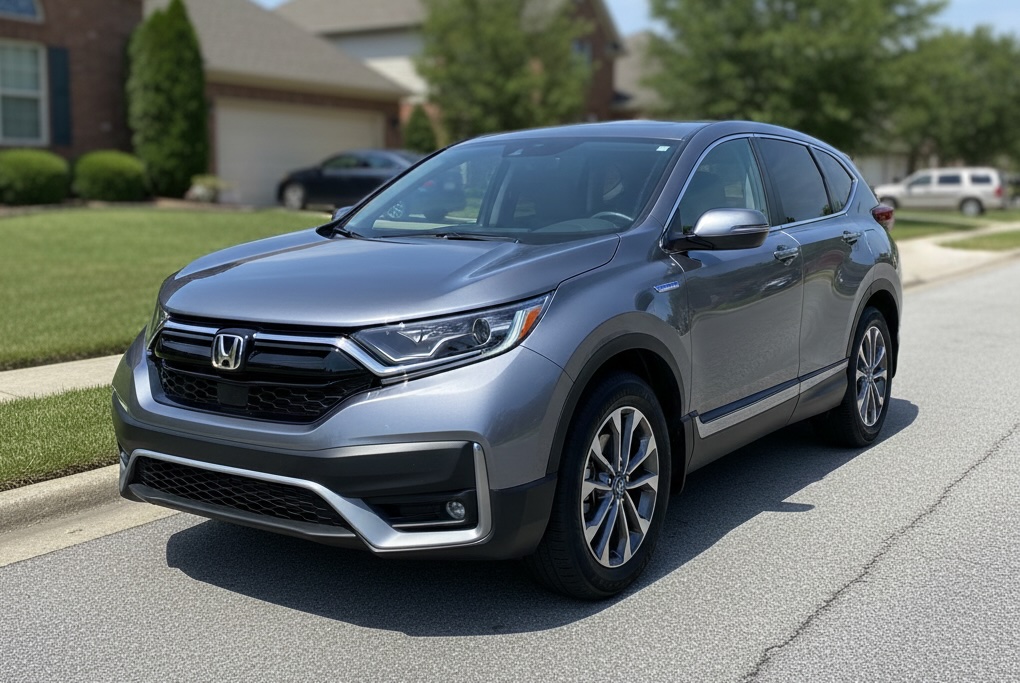
The latest CR-V feels solid and refined, with an especially comfortable and composed drive.
What’s good:
- Exceptionally solid build quality, with no squeaks or rattles
- High-quality touchpoints, including metal knobs and nicely weighted controls
- Smooth, predictable steering, braking, and acceleration
- Comfortable, refined ride quality that stands out in the class
- Rear doors open almost 90 degrees, making child seat installation much easier
- Spacious, comfortable rear seat with an adjustable recline
What’s missing:
- No ventilated seats, surround-view camera, or panoramic moonroof
- Best infotainment with Google integration is limited to the top Sport Touring trim
- Lower trims get an older system with dated graphics and weaker usability
- Maximum screen size is 9 inches, smaller than many rivals offer
- Hybrid models start at a higher price point than some competitors’ hybrids
Bottom line: Even without some luxury-style features, the CR-V is a terrific choice for buyers who want quality, space, and excellent driving manners. It’s an easy vehicle to live with — and to recommend.
Volkswagen Tiguan: Budget Audi Feel, With a Cost
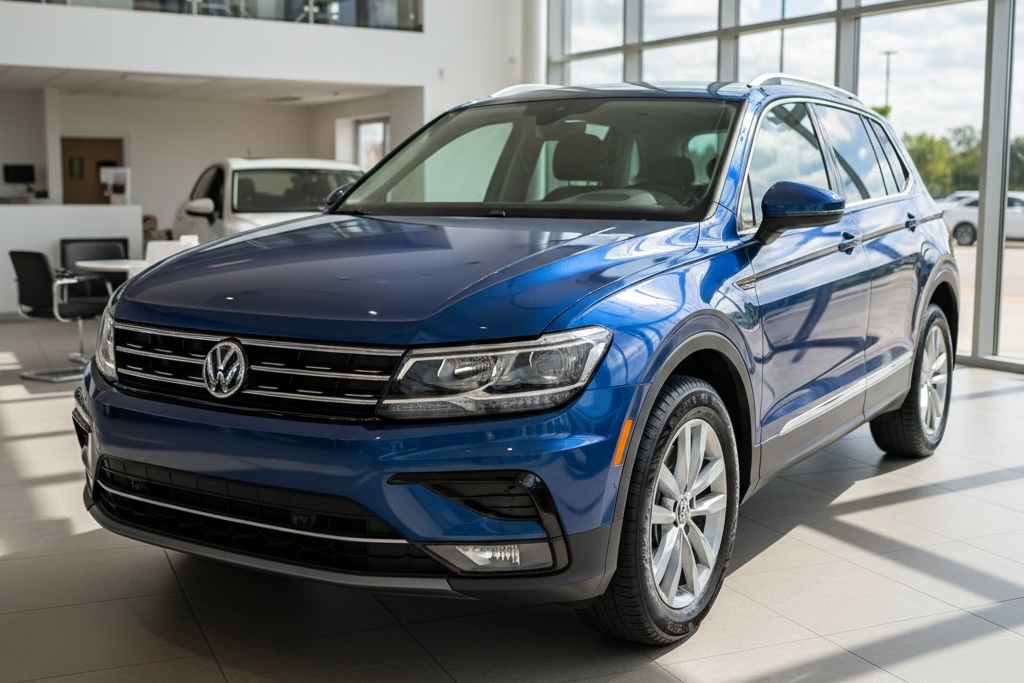
The new Tiguan is a big step up from its predecessor and now feels more like a budget Audi than an afterthought.
What’s good:
- Upscale, supportive seats; top trims offer heating, cooling, and massage
- High-end screen and impressively quiet cabin for this class
- Strong available engine power on higher trims
- Rear seat offers excellent knee room and very large door openings
- LATCH anchors hidden behind neat plastic covers
- Even base models feel refined and well-equipped
Where it falls short:
- No hybrid option, and fuel economy is below average
- Top features like ventilated seats, panoramic roof, and massage seats require pricey trims
- Overall price ceiling is higher than most rivals in this test
- Climate controls are buried in the touchscreen with no physical knobs for key functions
Bottom line: If you want a compact SUV that feels close to a German luxury car but don’t want a full luxury price tag, the Tiguan is very appealing. Just be prepared for higher costs and so-so fuel economy.
Toyota RAV4: Finally as Good as It Is Popular
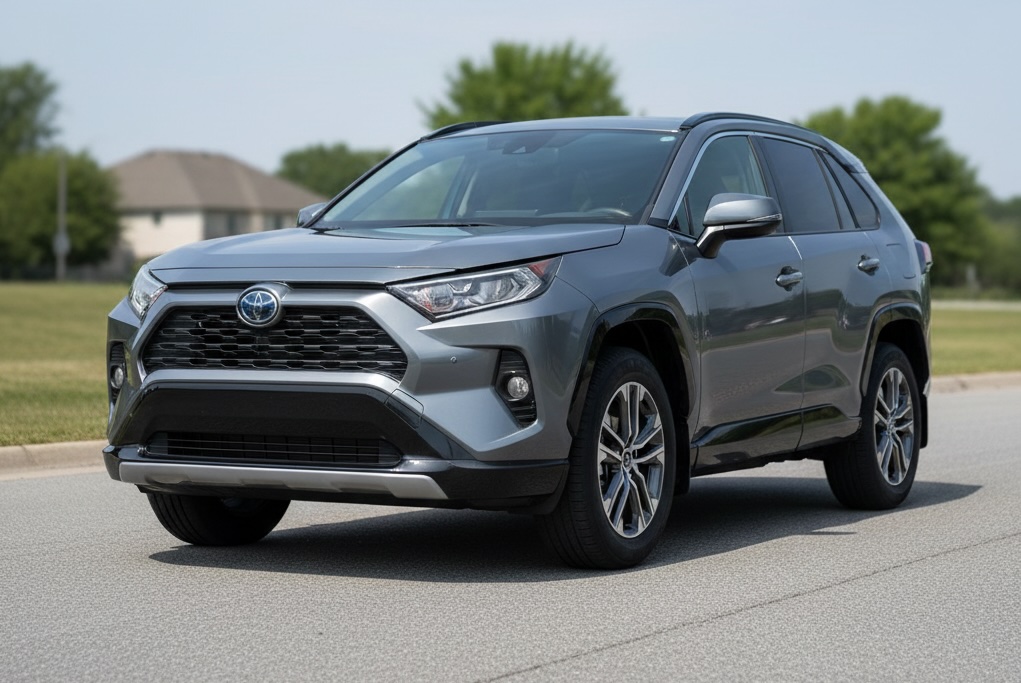
The RAV4 has been a sales leader for years. Now, it finally has the tech and refinement to match its popularity.
What’s good:
- Lots of storage: space for multiple phones, available dual wireless charging pads, and multiple shelves
- Center console lid that can flip to act as a tray
- Brand-new infotainment system that’s responsive and easy to use
- Standard 12.3-inch digital instrument cluster
- Integrated dash cam included as standard
- Strong powertrain that’s quicker than many expect, with a comfortable ride
- Best-in-class tow rating among the SUVs tested here
- Available as a plug-in hybrid for even more electric driving
- Only SUV in this group that can offer all-wheel drive and still deliver over 40 mpg combined in hybrid form
What’s not:
- Navigation and voice-command features require a paid data subscription after the first year
- Some rivals include more years of connected services as standard
- Front seats are less supportive than those in some competitors
- Interior includes quite a bit of hard plastic, especially in storage areas
- Rear seat is tighter than in many rival SUVs, with less space for passengers and car seats
- Rear doors don’t open very wide, and LATCH anchors can be difficult to access
Bottom line: The modern RAV4 is practical, strong, efficient, and finally modern in its tech. It’s an easy recommendation, especially in hybrid form, for buyers who want a do-it-all family SUV.
Kia Sportage Hybrid: One of the Best All-Rounders
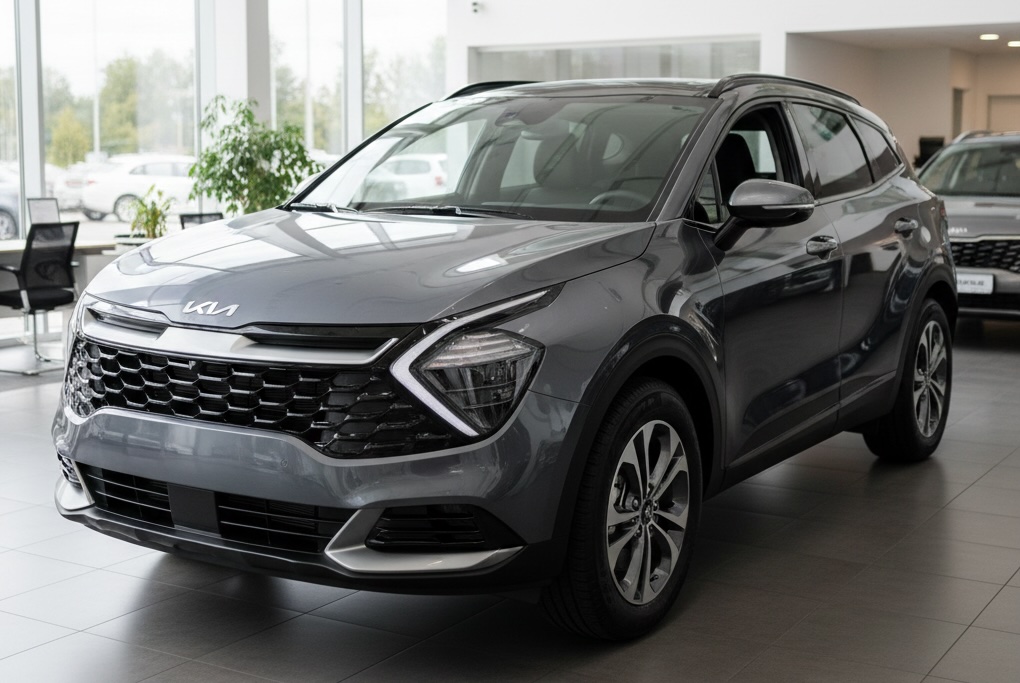
The Kia Sportage Hybrid is one of the most well-rounded small SUVs you can buy today.
What’s good:
- Very comfortable and supportive front seats
- Excellent small-item storage, including a clever configurable cupholder setup
- Clean, modern interior design with a high-quality feel
- Large, sharp standard infotainment screen that’s easy to use
- Available blind-spot camera that shows a live view when you signal
- Comfortable, quiet ride with confident power delivery
- Strong driver-assist systems that rank among the best in the segment
- Available plug-in hybrid version
- Huge rear-seat space with big door openings
- Outstanding value: similar features to rivals but typically a few thousand dollars less
- Excellent warranty coverage
- Big cargo area with a dual-level load floor; when set low, among the largest in the class
- Tows up to 2,000 pounds
What’s not:
- Shared touch panel for media and climate controls is confusing and distracting
- Button layout makes adjustments hard without taking your eyes off the road
- Fuel economy is a bit disappointing for a hybrid
Bottom line: If you want a small SUV that does almost everything well — comfort, space, tech, value, and overall usability — the Sportage Hybrid should be on your short list.
Hyundai Tucson Hybrid: The Best All-Around Pick
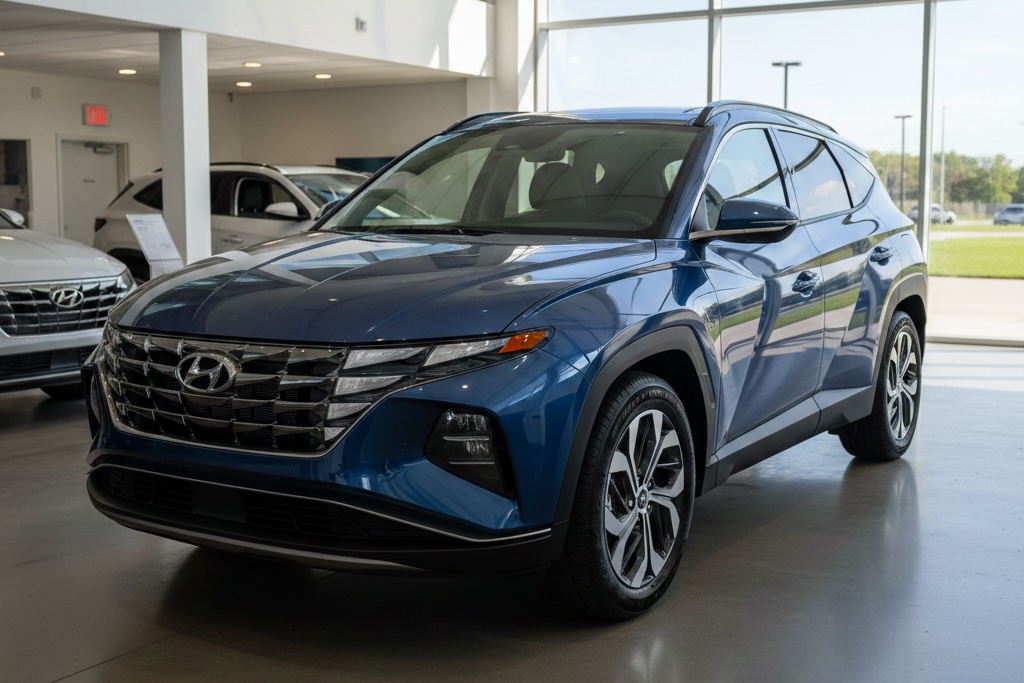
If we had to recommend one small SUV by default, it would be the Hyundai Tucson Hybrid.
What’s good:
- Roomy, comfortable front seats with plenty of adjustments
- Fantastic small-item storage, including a giant shelf in front of the passenger and open space below
- Clean interior layout with a better approach to controls than the Sportage
- Modern, easy-to-use infotainment system with smart wireless charging placement
- Dedicated climate panel that’s simpler to use than shared touch controls
- Strong hybrid powertrain that feels quick and eager
- Comfortable suspension that keeps passengers happy while still feeling controlled
- Smooth, predictable braking and acceleration
- Excellent driver-assistance features on par with the best in class
- Rear seat with generous knee and headroom, plus big door openings
- Massive cargo area and strong towing capability compared with most rivals
Trade-offs:
- Touch-sensitive controls still aren’t as intuitive as traditional knobs and buttons
- Hybrid fuel economy is good, but not quite as high as some leading rivals
Bottom line: No other SUV in this test is as well-balanced and universally easy to recommend as the Tucson Hybrid. It combines space, comfort, tech, power, and value in a way that works for a wide range of buyers. That’s why it takes the top spot.
Key Takeaways
- There is no single “perfect” compact SUV, but several are excellent at different things.
- In most cases, the hybrid version is the smarter buy, thanks to better performance and fuel economy — with the notable exception of the Mazda.
- For off-road fun, the Ford Bronco Sport stands out.
- For a more premium feel, consider the Mazda or VW Tiguan.
- For families focused on space and refinement, the Honda CR-V, Kia Sportage Hybrid, and Hyundai Tucson Hybrid are standouts.
- If you want a strong blend of efficiency, capability, and modern tech from a proven nameplate, the Toyota RAV4 Hybrid is finally worthy of its sales numbers.
- For a single, safe, default recommendation for most shoppers, the Hyundai Tucson Hybrid is the one to beat.
Rating compiled according to Edmunds.com — source video: YouTube.